How to Pull Perfect Nitrogen Stouts on Your Draft System
There is something special about a nitrogen stout.
The smooth body.
The soft bubbles.
That creamy head that settles slowly and feels almost velvety.

If you have ever watched a stout pour at a bar and wondered why it looks and tastes so different, you are not alone. Many people love nitrogen stouts but think they are hard to pour at home. The truth is, with the right setup and a little patience, you can pull a perfect nitrogen stout on your own draft system.
This guide breaks it all down in a simple way. No pressure. No confusing terms. Just clear steps and real tips that actually work.
What Makes Nitrogen Stouts So Different?
Most beers use carbon dioxide.
Nitrogen stouts are different.
Nitrogen bubbles are much smaller than CO₂ bubbles. Because of that, the beer feels smoother and less fizzy. The flavor feels softer. The finish feels clean. That is why stouts on nitrogen often taste creamy even without adding anything to them.
This also means the pour matters more. A nitrogen stout needs the right flow, pressure, and technique to get that classic look and feel.
A Small Home Scenario That Feels Familiar
It is a quiet evening at home.
The lights are low.
Dinner is done.
You rinse a glass and set it under your tap. The room is calm. The first pull sends a dark stream into the glass. Then the magic happens. Tiny bubbles rush downward. The head slowly forms. You wait. You top it off.
That first sip is smooth, soft, and balanced.
This is what people mean when they talk about a “perfect stout.”
That moment is possible at home when the setup is right.
Understanding the Basics of a Nitrogen Draft System
To pull a nitrogen stout, your system needs to support smooth flow and steady pressure. It does not need to be complicated, but it does need to be stable.
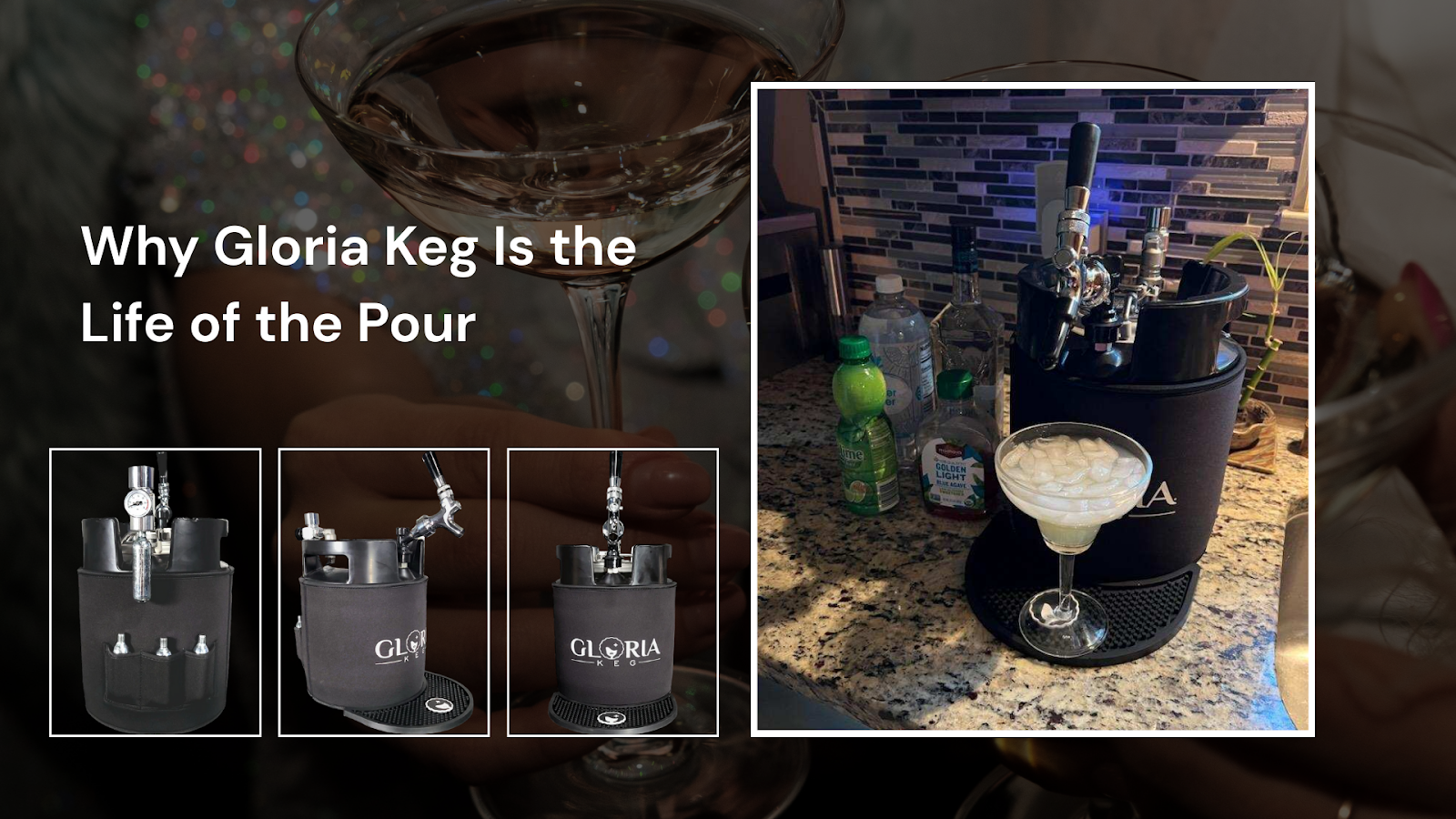
A compact keg setup like the Gloria Rosé keg system works well for home use because it keeps pressure controlled and makes pouring easier, even for beginners.
The tap also matters. A simple, reliable option such as a picnic tap assembly gives you control without needing a full bar installation.
When the basics are solid, the pour becomes easier.
Glassware Matters More Than You Think
The glass plays a big role in how a nitrogen stout settles.
A clean glass is essential. Any residue or soap can ruin the head.
A tall, straight glass works best because it allows the bubbles to move and settle properly.
Rinse the glass with cold water before pouring. This helps the beer flow smoothly and reduces excess foam.
These small steps make a big difference.
How to Pour a Nitrogen Stout the Right Way
This is where many people go wrong.
A nitrogen stout is not poured like a regular beer.
Start with the glass tilted slightly.
Pull the tap fully open. Do not stop and start.
Let the beer flow steadily until the glass is about three-quarters full.
Now pause.
Watch the cascade.
Let the bubbles settle and the head form naturally.
Once the beer settles, top it off slowly until the head reaches the rim.
Do not rush this part.
This two-step pour is what gives nitrogen stouts their signature look and feel.
Why Pressure and Flow Are So Important
Nitrogen stouts need higher pressure than regular beers. But they also need smooth delivery.
Too much pressure can cause splashing.
Too little pressure can make the beer flat.
That balance is why a stable home draft system matters. A well-designed setup from Gloria Keg helps maintain steady flow, which makes it easier to get consistent results every time.
Consistency is what turns a good pour into a great one.
Common Mistakes That Ruin a Nitrogen Stout
Many problems come from small habits.
Stopping the pour halfway can break the cascade.
Using a dirty glass can kill the head.
Pouring too fast at the end can overflow the foam.
Another common issue is impatience.
Nitrogen stouts reward slowing down.
Let the beer settle. Let the moment breathe. The result is worth it.
Can You Pull Nitrogen Stouts Without a Full Bar Setup?
Yes.
You do not need a commercial bar system.
Many home drinkers use compact keg setups with simple taps and get excellent results. The key is understanding the pour and keeping your equipment clean and steady.
That is why beginner-friendly systems available through the Gloria Keg collection are popular with people who want quality without complexity.
How Temperature Affects Nitrogen Stouts
Temperature plays a quiet but important role.
Nitrogen stouts are best served slightly cooler than room temperature but not ice cold. Too cold, and the flavors stay hidden. Too warm, and the head can collapse.
A cool, steady temperature helps the nitrogen do its job and keeps the stout smooth from first sip to last.
Cleaning and Care for Better Pours
Clean equipment equals better beer.
After each use, rinse the tap and lines.
Do not let beer sit inside the system for long periods.
Dry parts properly before storing.
A clean system helps maintain smooth flow and keeps flavors fresh. Over time, this care makes every pour more reliable.
Questions People Ask About Nitrogen Stouts at Home
Why does my stout look flat sometimes?
This usually happens when pressure is too low or the pour is interrupted. A steady, full pull helps maintain the cascade and head.
Can I use the same tap for regular beer and nitrogen stout?
You can, but results are better when the system is tuned for one style at a time. Nitrogen stouts benefit from steady pressure and smooth flow.
Is nitrogen beer stronger than regular beer?
No. Nitrogen affects texture, not alcohol content. The beer feels smoother, which can make it seem lighter, but the strength is the same.
How long does a keg stay fresh?
When stored and poured properly, beer can stay fresh for weeks. Keeping the system clean helps preserve flavor.
Why People Fall in Love With Nitrogen Stouts
There is something calming about them.
They are not sharp.
They are not rushed.
They invite you to slow down.
That is why so many people enjoy having a nitrogen stout at home. It turns a simple drink into a small ritual. The pour, the wait, the first sip. It all matters.
Making the Experience Your Own
Once you understand the basics, you can experiment.
Try different stout styles.
Adjust temperature slightly.
Change glass shapes.
The goal is not perfection.
The goal is enjoyment.
With a steady setup, a clean tap, and a little patience, pulling a nitrogen stout at home becomes second nature.
Final Thoughts on Pouring the Perfect Nitrogen Stout
Pulling a perfect nitrogen stout is not about fancy gear or complicated steps. It is about balance, patience, and care.
When your system is stable, your glass is clean, and your pour is steady, the beer does the rest.
That quiet cascade.
That creamy head.
That smooth finish.
Those moments are what make nitrogen stouts special, especially when enjoyed at home.


Comments
Post a Comment